
Sep 14, 2026
Is ChatGPT Private? What OpenAI Keeps, Who Can Read It, and What to Use Instead
 Marty Bent
Independent media since 2017
The Commoner by Marty Bent. Money, markets, AI, energy and privacy, every weekday.
Free, every weekday. Unsubscribe anytime using the link in each newsletter. By subscribing you agree to our Terms and acknowledge our Privacy Policy. Read recent issues.
Marty Bent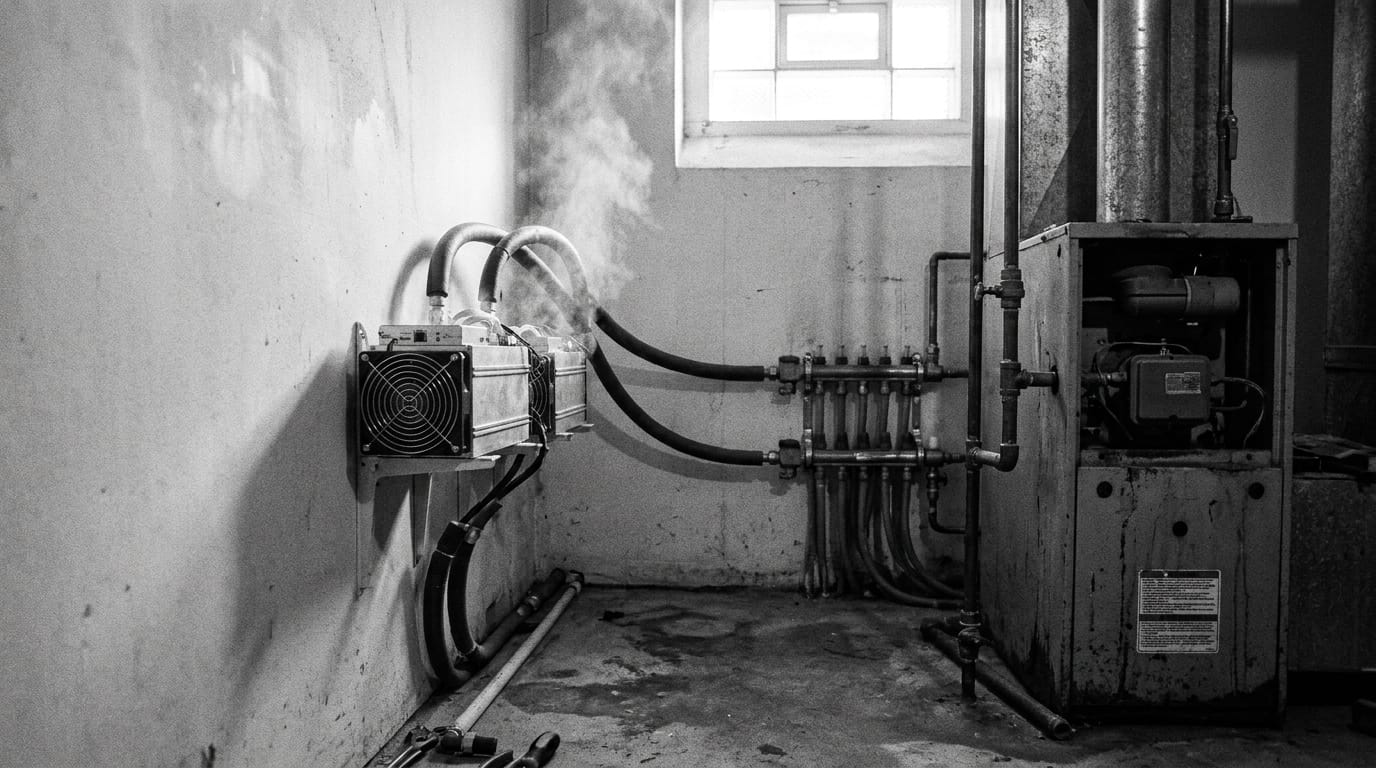 Marty Bent
 Marty Bent
People are using Claude Code and Codex to strip tracking, ads and bloat out of their smart TVs. Here's what the TVs collect and how to push back, plus Bitcoin Core's new disclosure rules and 1Password for Agents.
Marty Bent
 @TFTC21
Ducat is bringing UNIT's Bitcoin-backed stablecoin to Cashu ecash. Deposit UNIT, get Turbo UNIT. Send it as a message or QR code.
 @TFTC21
A Dutch flower farmer is heating her greenhouse with Bitcoin miners instead of natural gas.
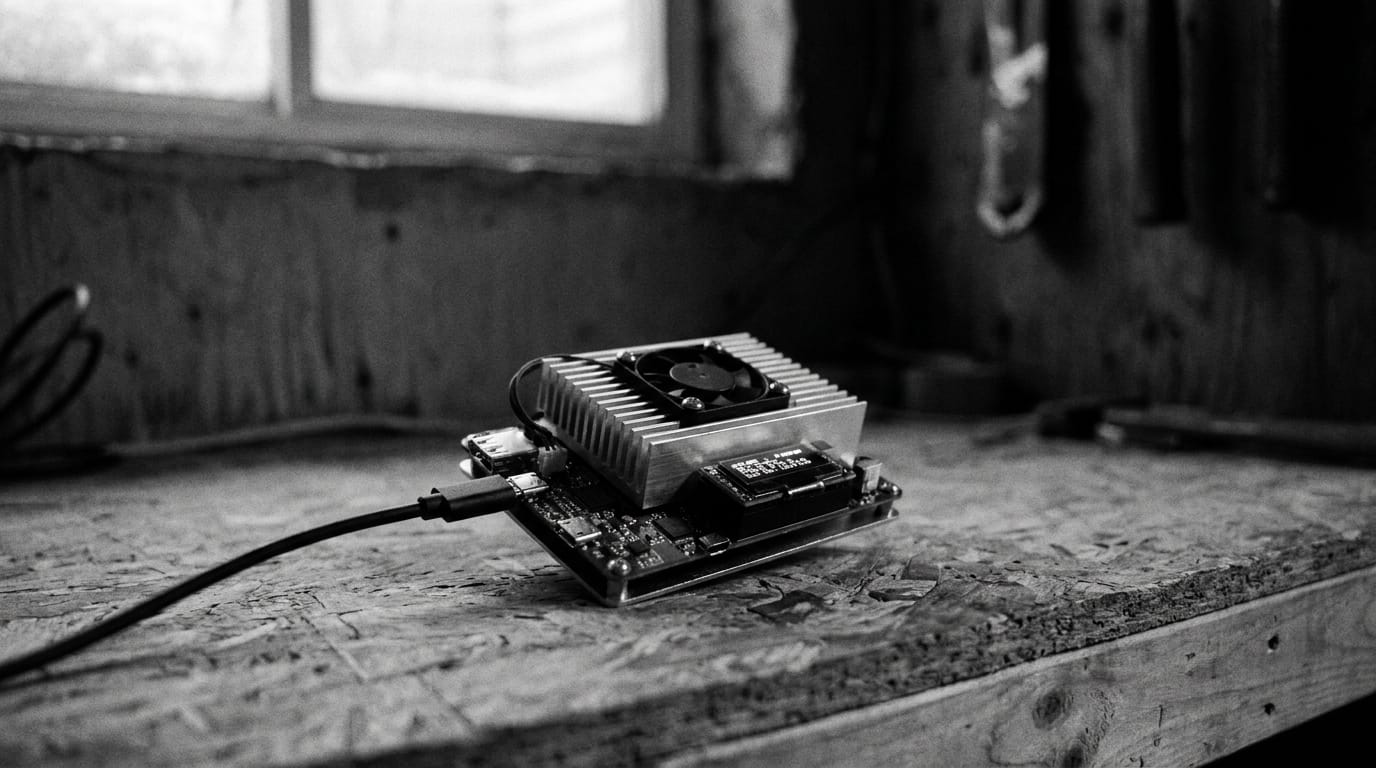
@TFTC21Researcher Erica Windisch just dropped "Tailworm." 11 unpatched vulnerabilities in Tailscale SSH, headscale, app connectors, and the DERP relay. No coordinated disclosure. No vendor fix yet. The headlines say "hackers gain root access across servers." The community note on the viral post tells the real story: these flaws require an already-approved device inside your tailnet with SSH rules permitting access. Post-compromise lateral movement, not remote access from the internet. Tailscale SSH runs as root, skips traditional SSH auth, and on headscale, forwarding can't even be disabled. "Zero trust" marketing writing checks the architecture doesn't cash. Mitigations now: per-pair SSH grants, deny forwarding, tighten access policies.
 @TFTC21
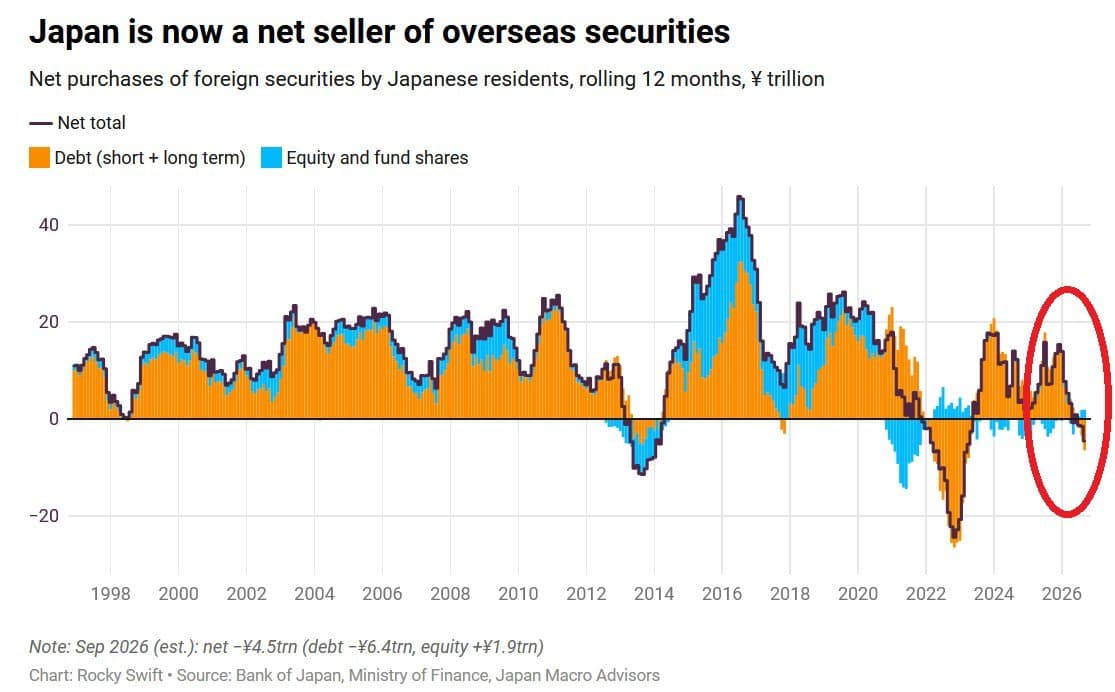
Japanese investors sold ¥3.43 trillion ($21.9 billion) of foreign bonds over the last 5 weeks, their longest selling streak in 4 years. Japan’s 10-year yield is up more than 80 bps this year.
 @TFTC21
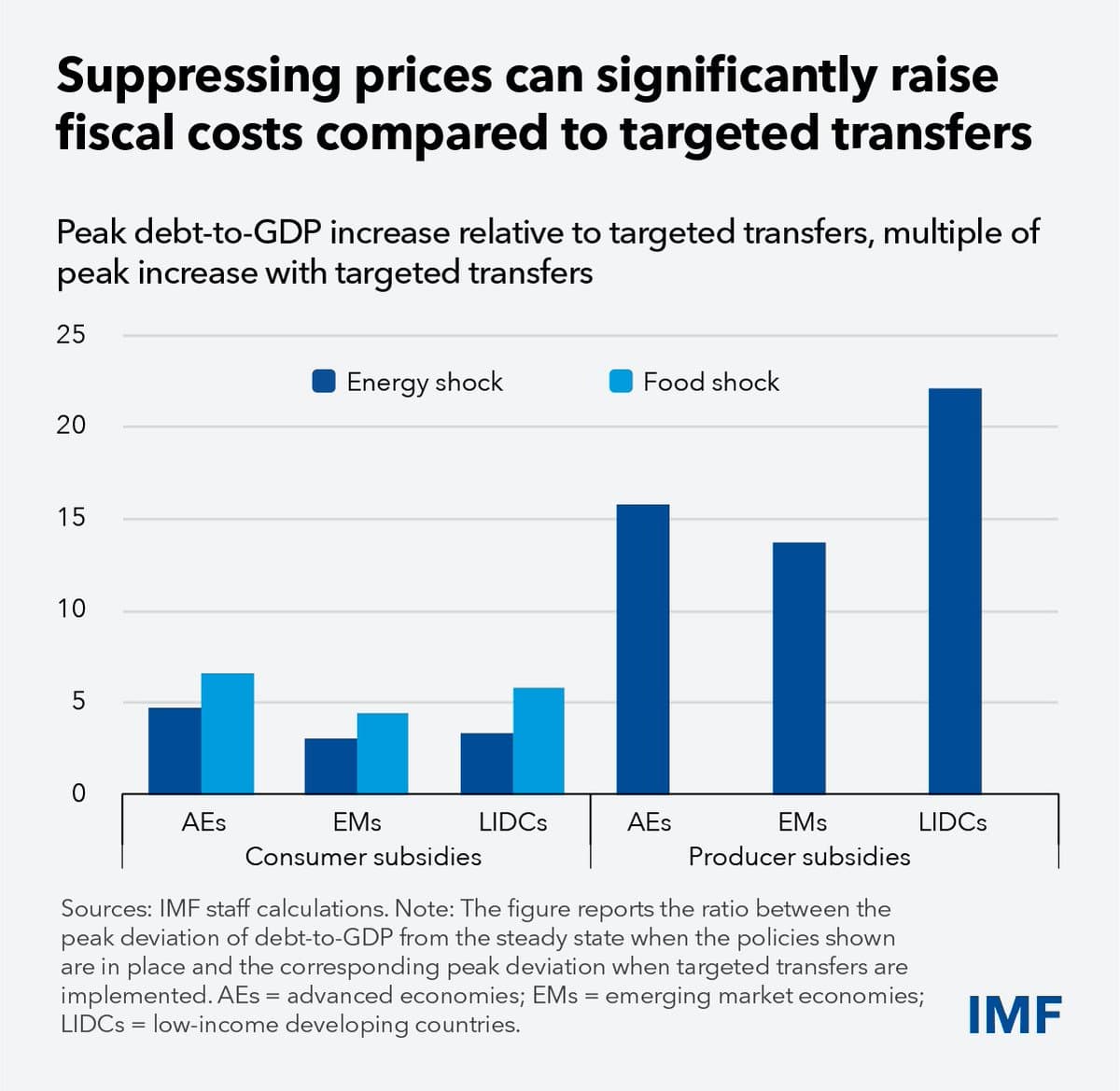
New IMF research: when governments suppress energy prices with producer subsidies, debt-to-GDP can rise up to 22x more than with targeted transfers. Consumer subsidies add 3x to 6.6x more.
@TFTC21Keystone hardware wallet confirmed a customer data breach. Hackers accessed their website and exposed names, contact info, shipping addresses, and order details through Shopify API activity. Breach detected October 20, confirmed October 23. Recovery phrases, private keys, and wallet passwords were not compromised. Keystone warns affected customers to watch for phishing scams involving fake refunds, replacement devices, or order issues.
@TFTC21Someone has been inscribing the same poem to the Bitcoin blockchain 26 times over the last two weeks. "Thoughtless quartz clocks drift, while blocks stack, each a strict proof, the timechain keeps score." @glxyresearch traced it to a single sender with ~0.327 BTC (~$26K) depositing to one custodial service over and over. The service pays it back within hours, the sender re-deposits with the poem attached. 14 round trips so far, 5.22 BTC of gross volume on 0.327 BTC of principal. The only leakage across 28 deposits is 8,015 sats (~$6.50) in mining fees. No laundering. Could be farming a volume metric, an integration test running in prod, or an agent handed a wallet and a reason to transact.
 @TFTC21
"Where are they getting the dollars? Well, they have to sell something. They sell treasuries." @LukeGromen on oil shocks and treasuries.
 @TFTC21
"Oil is the key driver of inflation, in my opinion." @MelMattison1 on oil and inflation.
@TFTC21Maple now offers an abliterated DeepSeek V4.1 Flash with 1M context, running in attested enclaves. Refusals removed so security researchers, red teamers, and code auditors can actually work without hitting "I can't help with that." x.com/TryMapleAI/sta…
 @TFTC21
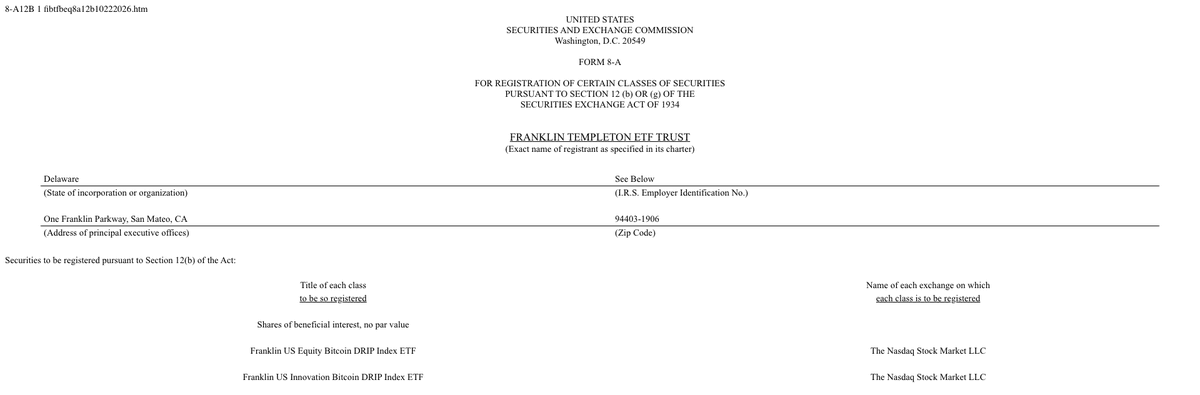
Franklin Templeton registered two ETFs on Nasdaq this week. 95% large-cap US stocks, 5% bitcoin. Every dividend the stocks pay automatically buys more BTC. h/t @basedlayer
 @TFTC21
Fidelity says Bitcoin's move from $100K to $200K "may happen much faster" than the 16 years it took to hit six figures.
@TFTC21Ducat is bringing UNIT's Bitcoin-backed stablecoin to Cashu ecash. Deposit UNIT, get Turbo UNIT. Send it as a message or QR code.
@TFTC21A Dutch flower farmer is heating her greenhouse with Bitcoin miners instead of natural gas.
@TFTC21Researcher Erica Windisch just dropped "Tailworm." 11 unpatched vulnerabilities in Tailscale SSH, headscale, app connectors, and the DERP relay. No coordinated disclosure. No vendor fix yet. The headlines say "hackers gain root access across servers." The community note on the viral post tells the real story: these flaws require an already-approved device inside your tailnet with SSH rules permitting access. Post-compromise lateral movement, not remote access from the internet. Tailscale SSH runs as root, skips traditional SSH auth, and on headscale, forwarding can't even be disabled. "Zero trust" marketing writing checks the architecture doesn't cash. Mitigations now: per-pair SSH grants, deny forwarding, tighten access policies.
@TFTC21Japanese investors sold ¥3.43 trillion ($21.9 billion) of foreign bonds over the last 5 weeks, their longest selling streak in 4 years. Japan’s 10-year yield is up more than 80 bps this year.
@TFTC21New IMF research: when governments suppress energy prices with producer subsidies, debt-to-GDP can rise up to 22x more than with targeted transfers. Consumer subsidies add 3x to 6.6x more.
@TFTC21Keystone hardware wallet confirmed a customer data breach. Hackers accessed their website and exposed names, contact info, shipping addresses, and order details through Shopify API activity. Breach detected October 20, confirmed October 23. Recovery phrases, private keys, and wallet passwords were not compromised. Keystone warns affected customers to watch for phishing scams involving fake refunds, replacement devices, or order issues.
@TFTC21Someone has been inscribing the same poem to the Bitcoin blockchain 26 times over the last two weeks. "Thoughtless quartz clocks drift, while blocks stack, each a strict proof, the timechain keeps score." @glxyresearch traced it to a single sender with ~0.327 BTC (~$26K) depositing to one custodial service over and over. The service pays it back within hours, the sender re-deposits with the poem attached. 14 round trips so far, 5.22 BTC of gross volume on 0.327 BTC of principal. The only leakage across 28 deposits is 8,015 sats (~$6.50) in mining fees. No laundering. Could be farming a volume metric, an integration test running in prod, or an agent handed a wallet and a reason to transact.
@TFTC21"Where are they getting the dollars? Well, they have to sell something. They sell treasuries." @LukeGromen on oil shocks and treasuries.
@TFTC21"Oil is the key driver of inflation, in my opinion." @MelMattison1 on oil and inflation.
@TFTC21Maple now offers an abliterated DeepSeek V4.1 Flash with 1M context, running in attested enclaves. Refusals removed so security researchers, red teamers, and code auditors can actually work without hitting "I can't help with that." x.com/TryMapleAI/sta…
@TFTC21Franklin Templeton registered two ETFs on Nasdaq this week. 95% large-cap US stocks, 5% bitcoin. Every dividend the stocks pay automatically buys more BTC. h/t @basedlayer
@TFTC21Fidelity says Bitcoin's move from $100K to $200K "may happen much faster" than the 16 years it took to hit six figures.
Marty's daily dispatch. The most-read issues of the last 30 days.
The latest episodes. Watch right here, or wherever you listen.
The Round Table
Where Bitcoiners stop reading about the future and start building it — monthly AI-implementation calls, a vetted network of operators, and research that actually matters.
$100/ mo · or $1,000 / yr
Level upThe Commoner
Independent writing by Marty Bent at TFTC since 2017. Money, markets, AI, energy and privacy, delivered free to your inbox.
Free, every weekday. Unsubscribe anytime using the link in each newsletter. By subscribing you agree to our Terms and acknowledge our Privacy Policy. Read recent issues.